Why Lifestyle Medicine Belongs in Chronic Disease Care: A Conversation with Dr. Aruna Nathan
For patients with diabetes, hypertension, kidney disease, heart disease, obesity, and behavioral health challenges, medications remain essential. But lasting improvement often requires addressing the daily habits that influence health, including nutrition, physical activity, sleep, stress, and social connection.
At AbsoluteCare, Lifestyle Medicine is integrated with primary care, behavioral health, pharmacy, and social support to help medically complex members improve their health. Early internal findings are encouraging, with participants demonstrating improvements in key clinical outcomes, including blood sugar and weight compared with matched controls.
We spoke with Dr. Aruna Nathan, Lead Physician for Lifestyle Medicine and Whole Person Health at AbsoluteCare, about what Lifestyle Medicine is, why it matters for complex populations, and what AbsoluteCare is learning from its own program.
What is Lifestyle Medicine, really?
Lifestyle Medicine is an evidence-based medical approach that uses therapeutic lifestyle interventions to prevent, treat, and in some cases help reverse chronic disease. It is much more than telling patients to eat better or exercise more. It focuses on nutrition, physical activity, sleep, stress management, social connection, avoidance of risky substances, and sustainable behavior change.
What makes it different is that many chronic conditions share the same underlying drivers. By addressing those drivers, we can often improve multiple aspects of health at the same time.
3 Common Misconceptions About Lifestyle Medicine
Myth #1: Lifestyle Medicine isn’t evidence-based.
Lifestyle behaviors are major drivers of chronic disease outcomes and are supported by a growing body of clinical evidence.
Myth #2: Lifestyle Medicine is only for prevention.
Patients with multiple chronic conditions often have the most to gain because one intervention can positively affect several conditions at once.
Myth #3: Lifestyle Medicine blames patients.
Good Lifestyle Medicine does the opposite. It meets people where they are and focuses on practical, sustainable change rather than judgment.
Why is it particularly important for medically complex populations?
Chronic conditions rarely happen in isolation. Diabetes, hypertension, obesity, heart disease, kidney disease, depression, and metabolic disease often share overlapping drivers, including inflammation, poor diet quality, sedentary behavior, sleep disruption, chronic stress, and social isolation.
This is why concepts like cardiovascular-kidney-metabolic (CKM) syndrome are so important. Heart, kidney, and metabolic health are deeply connected. For medically complex patients, even modest improvements can have an impact across multiple conditions at once.
Why do the best outcomes come from combining Lifestyle Medicine with traditional medical care?
Lifestyle Medicine and traditional medicine are not competing approaches. The best outcomes happen when they work together. Medications, primary care, specialty care, behavioral health, pharmacy, and social support are all essential, especially for patients with advanced or complex disease.
Lifestyle Medicine strengthens that care by addressing the upstream drivers that medications alone may not fully address. Blood pressure medications are important, but so are nutrition, sleep, stress, physical activity, and weight management. Diabetes medications help control glucose, but food quality, movement, sleep, and muscle health also influence insulin resistance.
The goal is not to replace medications. It is to help treatments work better, reduce complications, and improve quality of life.
What has AbsoluteCare seen in its own Lifestyle Medicine program?
Within AbsoluteCare’s Lifestyle Medicine program, we’ve seen medically complex members make meaningful changes when lifestyle care is delivered in a practical, supportive, team-based way.
Members receive education, coaching, shared medical appointments, behavioral health support, nutrition resources, and peer support. As engagement grows, we often see improvements in blood sugar, blood pressure, medication adherence, food choices, and confidence in managing health.
Lifestyle Medicine in Action
One member with diabetes was hesitant about medications and struggling to manage her condition. Through AbsoluteCare’s Lifestyle Medicine shared medical appointments, nutrition education, and access to produce boxes, she became engaged in making small, sustainable changes to her eating habits.
Over time, her blood sugar improved into the target range. Just as meaningful, the changes extended beyond the individual. Her grandchild began enjoying vegetable platters as a snack, demonstrating how healthier habits can create ripple effects across families and communities.
What has surprised you most about introducing members to Lifestyle Medicine?
What surprised me most was how quickly some members responded once they understood the connection between their daily habits and their health outcomes. Sometimes a simple conversation about nutrition, sleep, movement, or food labels becomes the turning point.
I was also struck by how much members valued the group setting. Shared medical appointments gave people a place to learn from clinicians, but also from each other. Members shared ideas, encouraged one another, and began to see that change was possible even with complex medical and social challenges.
Another finding that stood out was the ripple effect beyond the individual member. When someone starts cooking differently, eating more vegetables, moving more, or talking about health at home, it can influence family members too. Lifestyle Medicine is not only improving individual outcomes. It has the potential to strengthen long-term health for families and communities.
How do you make Lifestyle Medicine work for people facing social barriers?
The first step is recognizing that lifestyle change is not just about willpower. Many patients are dealing with food insecurity, trauma, transportation issues, financial stress, depression, housing instability, and competing survival needs.
We start small and make the plan realistic. For someone facing food insecurity, that may mean finding healthier options within the resources available or connecting them with food supports. For someone with limited mobility, it may mean chair exercises or short walks. For someone dealing with trauma or depression, it may begin with sleep routines, behavioral health support, or one small habit that builds confidence.
Group visits can also be powerful because patients learn from one another, feel less alone, and see that change is possible.
If the evidence is strong, why isn’t Lifestyle Medicine more mainstream?
Our healthcare system has historically been designed to react to illness rather than address root causes. We are very good at managing acute problems, prescribing medications, and delivering specialized care, but we have not always built systems that support nutrition education, physical activity, sleep, stress management, and sustained behavior change.
Lifestyle Medicine also requires time, team-based care, behavioral health integration, coaching, and ongoing support. Those elements do not always fit neatly into traditional fee-for-service reimbursement.
The encouraging news is that CMS and Medicare are increasingly testing models that support coordinated, whole-person care. While these programs are not specifically Lifestyle Medicine models, many include the same principles: stronger primary care, behavioral health integration, care coordination, prevention, and improved management of complex chronic conditions.
If we want better outcomes for patients with CKM syndrome and multiple chronic conditions, we need care models that address the whole person, not just one diagnosis at a time. Lifestyle Medicine should be part of mainstream chronic disease care because it works alongside medications and clinical treatment while also addressing the drivers of health, function, and quality of life.
Learn more about what Lifestyle Medicine looks like for AbsoluteCare members here.
About Dr. Aruna Nathan
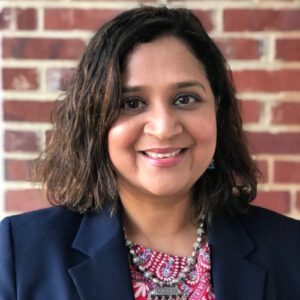 Dr. Aruna Nathan is a nationally recognized physician leader in Lifestyle Medicine and Whole Person Health. With more than 25 years of experience in Internal Medicine and over a decade advancing Lifestyle Medicine, she is among the nation’s early board-certified Lifestyle Medicine physicians. As Lead Physician for Lifestyle Medicine and Whole Person Health at AbsoluteCare, she specializes in helping patients with complex chronic conditions improve their health through evidence-based lifestyle interventions integrated with comprehensive medical care.